Greenhouse or Macro Tunnel in Jalisco: Which Fits?
When a greenhouse cover makes sense and when a macro tunnel does in Jalisco, with the available films and their use in berries and vegetables.
The short answer
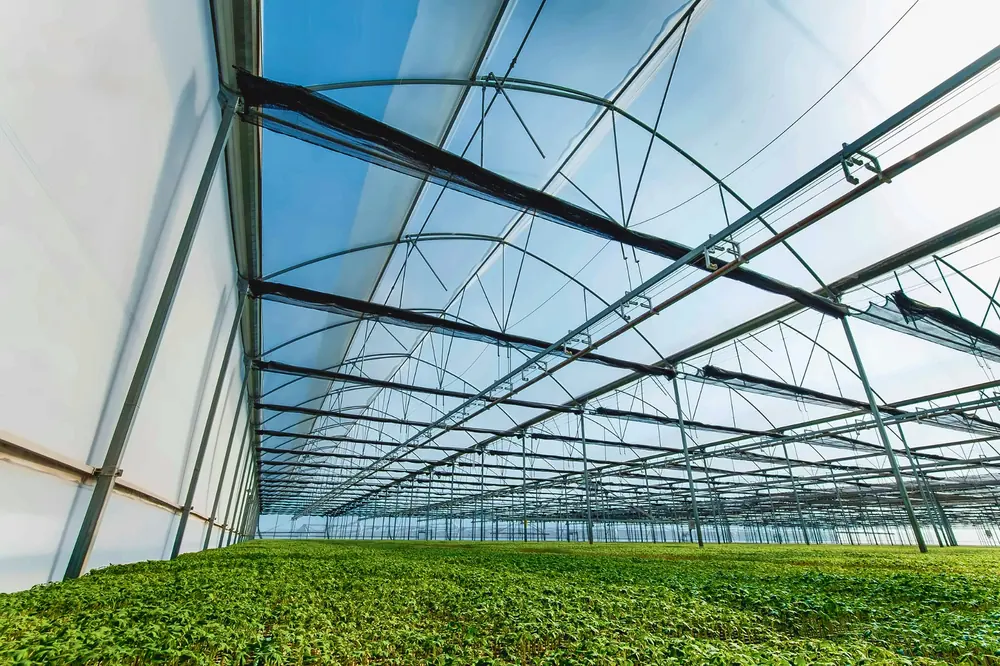
In Jalisco, the macro tunnel protects open-field crops, such as berries, from rain, wind, hail and frost. The greenhouse cover fully encloses the structure and allows better control of light, temperature and pests in high-value vegetables. The choice depends on the crop, the investment and the level of control the grower wants.
What you need to know
- The macro tunnel is a lighter form of crop protection; the greenhouse is a closed structure with more control over the environment.
- ICUSA greenhouse covers include natural, diffused light, shade, antifog, anti-dust, IR thermal and anti-virus film.
- In Jalisco the rainy season brings heavy rain and hail; the film must resist tearing and impact, properties described in the ICUSA catalog.
- ICUSA serves Jalisco directly from its plant in Culiacán, with technical advice by WhatsApp.
In this article
- Which crops lead Jalisco to use greenhouses and macro tunnels?
- What is the difference between a greenhouse and a macro tunnel?
- What films are available for greenhouses?
- When does a macro tunnel make sense in Jalisco?
- When does a full greenhouse make sense?
- How do you decide between the two?
- What does the film need to withstand in the rainy season?
- Where can you get film for Jalisco?
Which crops lead Jalisco to use greenhouses and macro tunnels?
Jalisco is a state of contrasts: high, cool areas, mild valleys, hot lowlands and a pronounced rainy season that runs from midyear into the fall. In several regions of the state, such as the south and Los Altos, growers produce berries (strawberries, raspberries, blackberries and blueberries) and vegetables such as tomatoes and peppers, many of them under protected agriculture. The rainy season is the main reason: heavy rain, hail, wind and, in the higher areas, winter frost affect fruit quality and crop health.
That is why plastic becomes a production tool, not an accessory. To compare with other regions, see the guide to agricultural plastics by state.
What is the difference between a greenhouse and a macro tunnel?
| Feature | Macro tunnel | Greenhouse |
|---|---|---|
| Structure | Arches that cover crop rows or beds | Taller, closed structure with sides and a cover |
| Main protection | Excessive radiation, wind, heavy rain, frost and hail | Control of light, temperature and pests inside an enclosed space |
| Typical crops in Jalisco | Strawberries, raspberries, blackberries, blueberries | Tomatoes, peppers, cucumbers and other high-value vegetables |
| Level of control | Medium | High |
| Film | Natural UV, diffused, anti-drip, shade | Natural, diffused light, shade, antifog, anti-dust, IR thermal, anti-virus |
The typical crops in the table are examples of common use, not a rule: there are berry growers under greenhouses and vegetable growers under macro tunnels.
What films are available for greenhouses?
The ICUSA greenhouse cover is made from a selection of imported raw materials and additives for each extrusion layer. According to the catalog, these films let solar radiation through and keep the radiation emitted by the soil from escaping, which prevents nighttime cooling. The variants are:
- Natural: excellent total transmittance with UV additive; 1, 2 and 3 year warranty.
- Diffused light: spreads light in all directions and to all levels of the plant; promotes development and fruit quality.
- Shade: blocks part of the light with additives and pigments.
- Antifog: prevents dripping and helps condensed water run off.
- Anti-dust: keeps dust from sticking and reducing the light that passes through.
- IR thermal: lets sunlight through and prevents heat from dissipating at night, useful in high, cold areas.
- Anti-virus / anti-blackening: blocks a range of ultraviolet radiation that insects need for orientation.
When does a macro tunnel make sense in Jalisco?
The agricultural macro tunnel makes sense when the crop is in open field and you want to protect it from the worst of the rainy season without the investment of a full greenhouse. It is the usual option for berries, where rain on ripe fruit causes losses and disease. It also extends the cycle by allowing harvests outside the traditional seasons and early harvests with higher economic value. For a region where this is applied extensively, read macro tunnels for berries in Baja California.
When does a full greenhouse make sense?
When the crop requires a controlled environment: high-value vegetables with long cycles, seedlings, substrate or hydroponic production, or places where pests and viruses are a constant problem. The greenhouse lets you manage light, heat and humidity better, and it reduces attacks from birds and insects. Inside the greenhouse, the greenhouse ground cover covers the space between rows, protects the crop from dust, prevents weed growth, reflects radiation toward the foliage and helps maintain hygiene when pruning, removing leaves or harvesting.
For pest monitoring, greenhouses use blue and yellow sticky insect traps, which help detect an infestation before it takes off.
How do you decide between the two?
Ask yourself four questions before buying:
- What is the crop and how much is the fruit worth? The more delicate and valuable it is, the more control is justified.
- What is the main risk? If it is rain and hail on the fruit, the macro tunnel is usually enough. If it is pests, viruses and temperature, the greenhouse responds better.
- What is the elevation of your field? In high areas, cold nights and frost make IR thermal film or a well-closed macro tunnel worthwhile.
- What investment and labor do you have? The greenhouse requires more structure, management and training; the macro tunnel is simpler to install and move.
If you grow in substrate, the hydroponic grow bags complement the greenhouse: according to the catalog, they make disinfection easier when reusing substrate and give better control of pests and diseases.
What does the film need to withstand in the rainy season?
The catalog explains that a film’s mechanical properties include tensile strength, elongation, dart impact and tear resistance. In Jalisco, where heavy rain and sometimes hail fall, dart impact and tear resistance matter: they measure how much force the film withstands and how hard it is for a cut to spread. That is where it pays to ask about the roll’s properties and the warranty period, not just the price.
Where can you get film for Jalisco?
If you grow in Jalisco, ICUSA serves you directly from its plant in Culiacán and ships to your region. Message an ICUSA advisor on WhatsApp at 667 791 3171 with your crop, the type of structure and the elevation above sea level of your field, so they can suggest the right film.
Products mentioned
Frequently asked questions
Is a greenhouse or a macro tunnel better for berries in Jalisco?
For open-field berries, the macro tunnel is usually the most practical option, because it protects against rain, wind and hail with a lower investment. The greenhouse makes sense if you want more control over the environment.
Which greenhouse film prevents dripping?
Antifog film, which according to the ICUSA catalog prevents dripping and helps condensed water run off the inner face. It helps reduce direct moisture on the plants.
How long is the warranty on natural film?
The ICUSA catalog lists 1, 2 and 3 year warranties for natural film with UV additive. The warranty depends on the specification you buy.
What is greenhouse ground cover for?
It covers the space between rows to protect the crop from dust, prevent weeds and improve cleanliness. It also reflects solar radiation toward the foliage.
Does ICUSA serve Jalisco?
Yes. ICUSA serves growers directly from its plant in Culiacán and ships to Jalisco. You can message an ICUSA advisor on WhatsApp to get a quote.
Growing in Jalisco? An advisor will tell you which plastic suits your crop.
Tell us your crop, acreage and planting date. We reply on WhatsApp during office hours.
Keep reading
6 min read
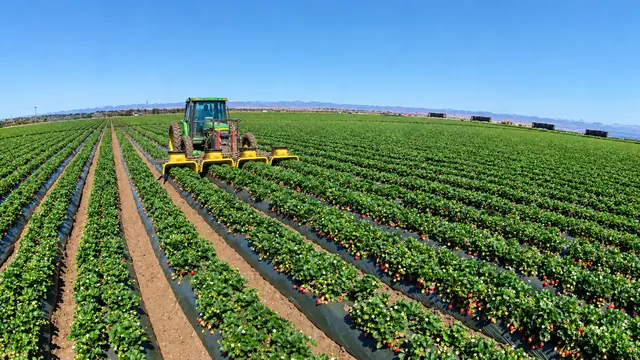
Agricultural Plastics by State: A Guide for Growers
A clear map of which agricultural plastic fits each region of Mexico, from mulch film in Sinaloa to the water reservoir liner in Zacatecas.
Read the guide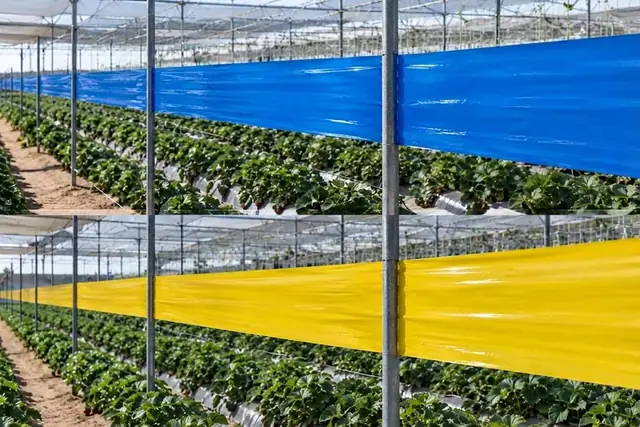
6 min read
Blue and Yellow Sticky Traps: Greenhouse and Field Use
Blue and yellow sticky traps help monitor and reduce insects. Here is what each color attracts or repels and how to place them.
Read the guide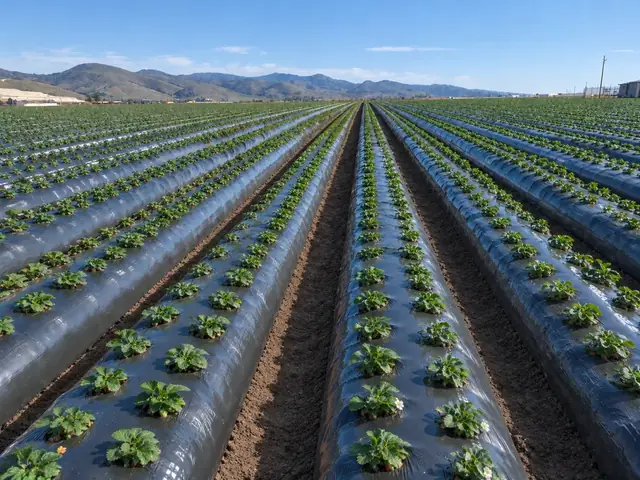
6 min read
5 Benefits of Plastic Mulch Film in Berry Crops
The 5 benefits of plastic mulch film for strawberries and berries: water use, weed control, soil temperature, cleaner fruit and pest management.
Read the guide