Agricultural Plastics by State: A Guide for Growers
A clear map of which agricultural plastic fits each region of Mexico, from mulch film in Sinaloa to the water reservoir liner in Zacatecas.
The short answer
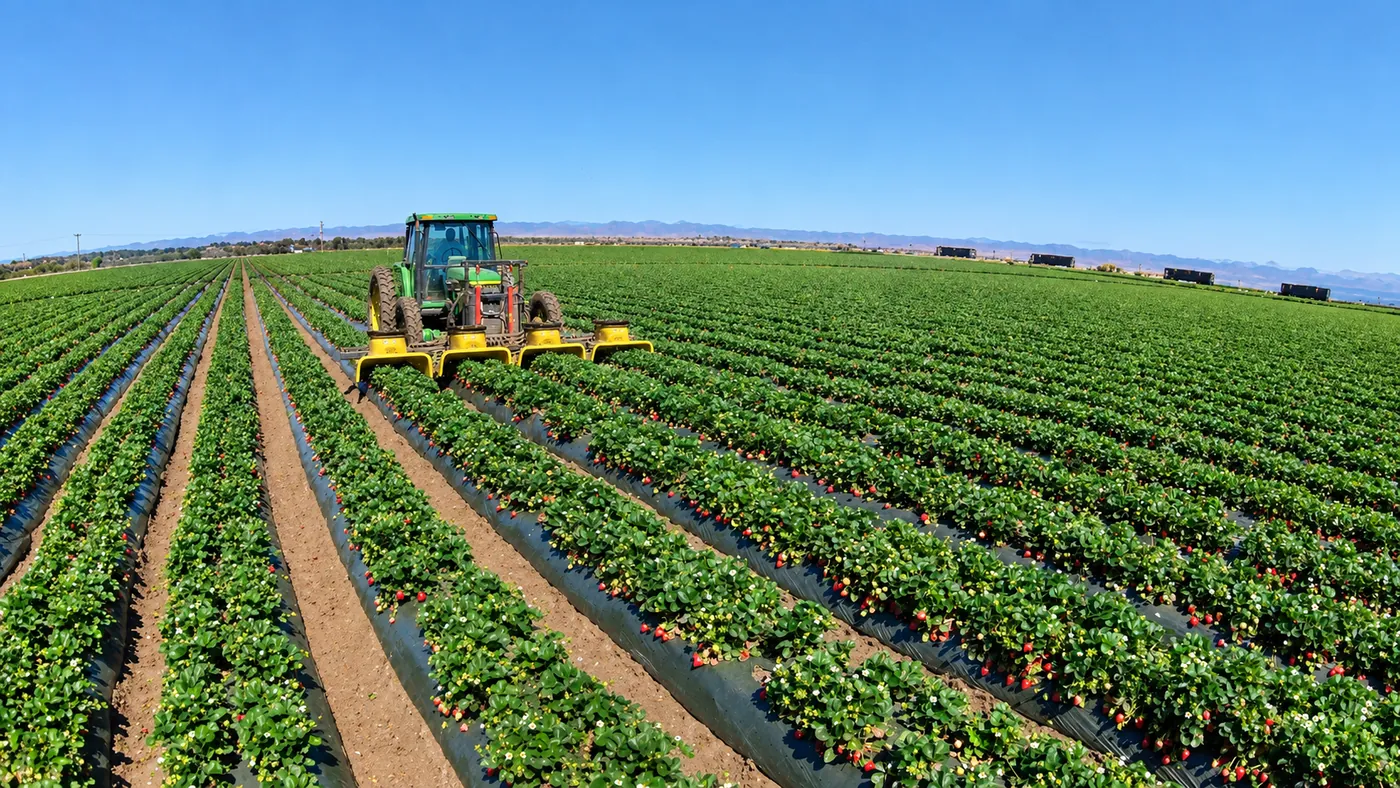
The right agricultural plastic depends on the region and the problem you want to solve. In the northwest, heat and water call for reflective mulch film and a water reservoir liner. For berries and heavy rain, a macro tunnel is used. For high-value vegetables, a greenhouse. This guide summarizes what fits in seven regions of Mexico.
What you need to know
- There is no universal plastic: climate, crop and cycle define which film fits.
- At ICUSA, we manufacture high-quality plasticulture products in Culiacán. We directly serve Sinaloa, Sonora, Durango, Coahuila, Zacatecas, Jalisco, Guanajuato... and beyond! Delivering agricultural technology wherever your crops need it most.
- Mulch film controls soil temperature, weeds and water; macro tunnels and greenhouses control the environment above the crop.
- Each regional article in this guide goes deeper on one zone, with its crops and challenges.
In this article
- Which agricultural plastic fits each region of Mexico?
- Quick map: region, challenge and plastic
- What are ICUSA’s eight plasticulture products?
- What works in the northwest: Sinaloa, Sonora and Baja California?
- And in the center and north: Jalisco, Guanajuato, La Laguna and Zacatecas?
- What benefits does the catalog attribute to plasticulture?
- Which film properties should you ask about?
- How do I choose if I have doubts?
- Where can I find ICUSA in my state?
Which agricultural plastic fits each region of Mexico?
Mexico grows crops in very different climates: hot irrigated deserts, humid and cool coasts, temperate rainfed valleys and frost-prone highlands. One plastic cannot solve all of those problems, so the first step is to define what you want to correct: heat, cold, scarce water, pests, rain or weeds. This guide walks through seven regions where we have a presence and explains which products tend to make the most sense in each. It is a starting point, not a recipe: the field, the crop and the planting date have the final say.
At ICUSA, Industrias de Culiacán S.A. de C.V., we have manufactured plastic films for agriculture and industry since 1967, with our own plant and laboratory in Culiacán, Sinaloa. It is ISO 9001:2015 certified, we hold the ESR distinction and have a presence in eight countries.
Quick map: region, challenge and plastic
| Region | Main challenges | Plastics most often considered | Article |
|---|---|---|---|
| Sinaloa | Fall-winter vegetables, heat at transplant, insect-borne viruses | Two-tone mulch film, AgroTIF, sticky insect traps | Mulch film in Sinaloa |
| Sonora | Extreme heat, wind, winter frost, little water | Reflective mulch film, macro tunnel, water reservoir liner | Plastics in Sonora |
| Baja California | Berries, fog, rain, cool nights | Macro tunnel, green mulch film, AgroTIF | Macro tunnels for berries |
| Jalisco | Rainfed farming, hail, berries and protected vegetables | Greenhouse cover, macro tunnel, ground cover | Greenhouse or macro tunnel |
| Guanajuato | Bajío vegetables, sanitary management | Mulch film, greenhouse ground cover, hydroponic grow bags | Vegetables in Guanajuato |
| Coahuila and Durango (La Laguna) | Scarce water, melon and watermelon | Mulch film, water reservoir liner | Saving water in La Laguna |
| Zacatecas | Rainfed crops, chile, drought | Water reservoir liner, mulch film | Water reservoir liner in Zacatecas |
What are ICUSA’s eight plasticulture products?
For the soil
Agricultural mulch film is a co-extruded film that makes water and nutrient use more efficient, controls weeds and modifies soil temperature. According to the technical data sheet, it lasts up to 2 years depending on crop, gauge and use. The AgroTIF High Barrier film retains the gases from soil disinfection and solarization. The greenhouse ground cover covers the space between rows to improve hygiene and prevent weeds.
To protect the crop
Greenhouse covers control light and temperature; macro tunnels protect against radiation, wind, rain, frost and hail. The hydroponic grow bag holds the substrate where plants grow in soilless cultivation.
For pests and water
Blue or yellow sticky insect traps help monitor and reduce insect populations in greenhouses and open fields. The water reservoir liner captures and stores rainwater and runoff.
What works in the northwest: Sinaloa, Sonora and Baja California?
This is the zone of irrigation, heat and exports. In Sinaloa, the vegetable cycle starts with warm soil, so white-and-black or silver-and-black mulch film is gaining ground. In Sonora, extreme heat, wind and water scarcity call for macro tunnels and water reservoir liners. In Baja California, delicate berry fruit is protected with macro tunnels, plus green mulch film for strawberries. When the soil must be disinfected before planting, the AgroTIF film comes in.
And in the center and north: Jalisco, Guanajuato, La Laguna and Zacatecas?
Here rainfed farming, altitude and water change the equation. Jalisco uses greenhouses and macro tunnels to withstand rain and hail; sticky insect traps serve as monitoring in those structures. Guanajuato grows vegetables with mulch film, ground cover and hydroponics. In La Laguna the priority is making every liter count, and in Zacatecas the water reservoir liner helps make use of rainfall in rainfed crops.
What benefits does the catalog attribute to plasticulture?
Our catalog defines plasticulture as the use of plastic films to modify the growing environment of plants and to protect plantings from weather, pests and weeds. Among the benefits it lists are improving the crop microenvironment, saving 20% in water consumption, using fewer herbicides and pesticides, protecting food from moisture and contamination, and increasing yields. These are benefits the manufacturer attributes to the technology in general; the result on your plot will depend on the crop, the management and whether the film you choose matches the problem.
Which film properties should you ask about?
Besides color and product, a film is judged by its properties. Mechanical properties include tensile strength, elongation, dart impact and tear resistance: they tell you how much force the film withstands before breaking. Optical properties, such as total light transmission, diffusion and shading, directly affect crop development and productivity. We have our own laboratory to measure these properties. When you ask for a quote, ask about them and about the warranty, not only the price of the roll; a film that tears halfway through the cycle ends up costing more than one that was well chosen.
How do I choose if I have doubts?
- Define the main problem: water, heat, cold, pests, rain or weeds.
- Define the crop and the length of the cycle.
- Choose the layer that solves it: soil (mulch film), cover (macro tunnel or greenhouse) or infrastructure (reservoir liner).
- Ask a technical advisor for the film properties, not just the price.
Where can I find ICUSA in my state?
We serve growers in Sinaloa, Sonora, Durango, Coahuila, Zacatecas, Jalisco, Guanajuato and all of Mexico directly from our plant in Culiacán, Sinaloa. Message a technical advisor on WhatsApp at 667 791 3171 or through the contact page to get a recommendation for your area and crop. For handling questions, see the usage recommendations.
Products mentioned
Frequently asked questions
What agricultural plastic is best for heat?
A two-tone mulch film with a white or silver face, which reflects light and reduces soil heating. ICUSA's technical data sheet recommends white-and-black in areas with high radiation and high temperatures.
What is the difference between mulch film, a macro tunnel and a greenhouse?
Mulch film covers the soil; a macro tunnel covers the crop rows with arches; a greenhouse is an enclosed structure. Each one controls a different layer of the crop environment.
Does ICUSA manufacture in Mexico?
Yes. ICUSA has its own plant and laboratory in Culiacán, Sinaloa, and has manufactured plastic films for agriculture and industry since 1967.
Which states does ICUSA serve?
ICUSA serves Sonora, Sinaloa, Durango, Coahuila, Zacatecas, Jalisco and Guanajuato directly from Culiacán. It also has a presence in Baja California and Mexico City.
How do I ask for a recommendation for my crop?
Message an ICUSA advisor on WhatsApp with your state, crop, planting season and the problem you want to solve. With that, the right product can be suggested.
Growing in Baja California? An advisor will tell you which plastic suits your crop.
Tell us your crop, acreage and planting date. We reply on WhatsApp during office hours.
Keep reading
6 min read
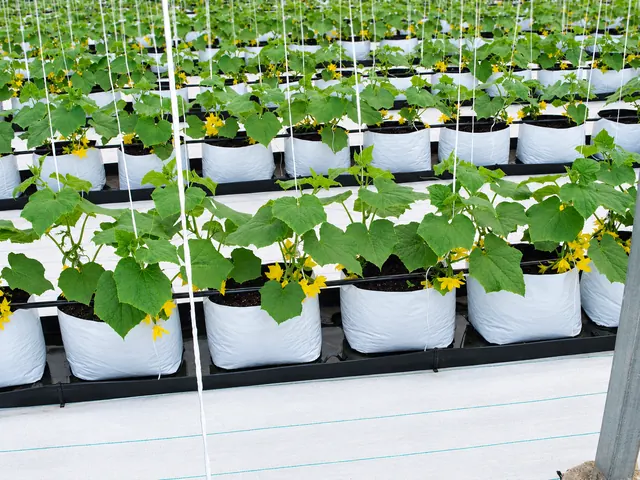
Plastics for Vegetables in Guanajuato: Bajío Guide
Which agricultural plastic to use on Bajío vegetables: mulch film by color and season, greenhouse ground cover and hydroponic grow bags.
Read the guide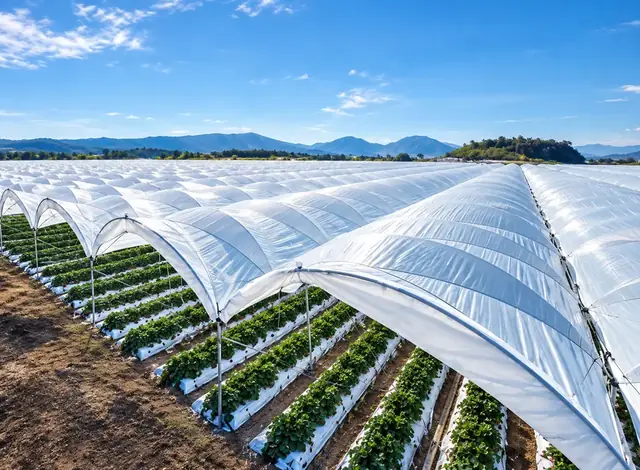
6 min read
Agricultural Plastics in Sonora for Extreme Heat
Mulch film, macro tunnel and water reservoir liner: how agricultural plastics are used in Sonora to cope with heat, wind, frost and water scarcity.
Read the guide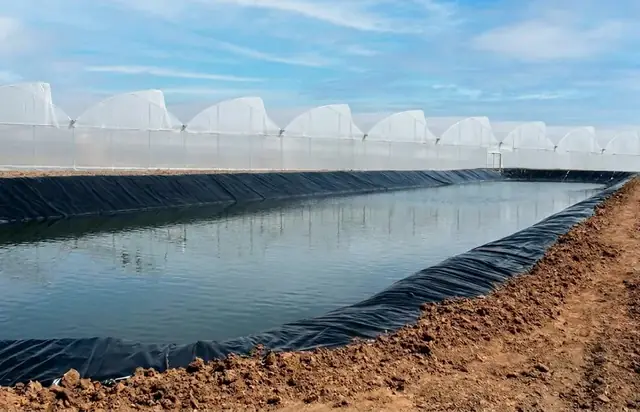
6 min read
Water Reservoir Liner in Zacatecas: Capture Rain
How to capture and store rain with a water reservoir liner on rainfed farms in Zacatecas, and why it pairs well with mulch film.
Read the guide