AgroTIF Film: What It Is and When to Use It on Soil
AgroTIF is a high barrier film that retains soil disinfection gases. Here is when it makes sense and how it differs from solarization.
The short answer
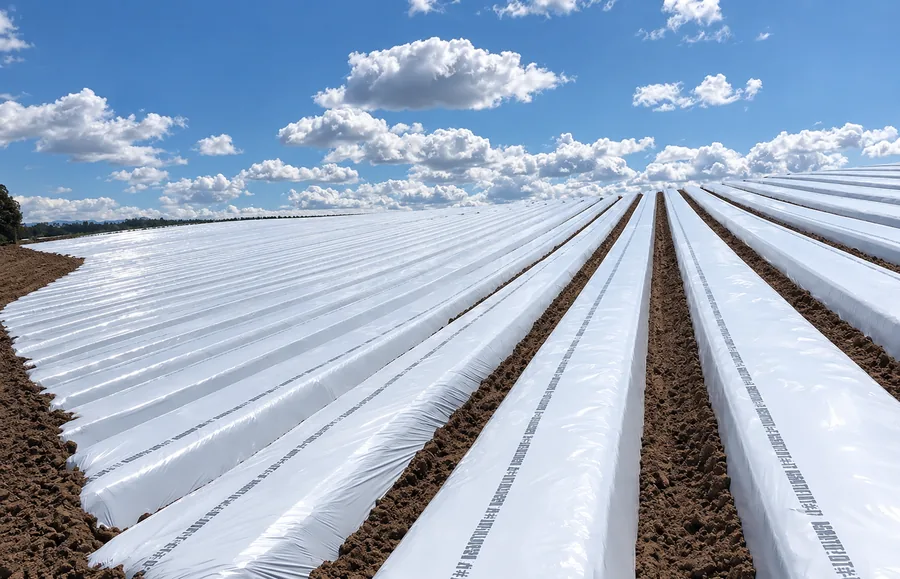
AgroTIF is an ICUSA high barrier film that retains the gases used to disinfect soil and lets very little oxygen through. It makes sense when you already fumigate the field and want the gas to stay in the soil. If your method is solar heat, the product is different: the solarization film.
What you need to know
- AgroTIF is a totally impermeable film (TIF) that acts as a barrier against the escape of soil disinfection gases, according to the ICUSA technical data sheet.
- It makes sense when the field's management plan already includes a fumigant and the goal is to retain the gas in the soil.
- For solarization a different film is used: the natural film for solarization, with high thermal efficiency and good light transmittance.
- The benefits described in the data sheet are not guarantees; they are validated in each field with the agronomist.
- Fumigation is a regulated activity: authorized product, label and trained personnel.
In this article
What is soil disinfection and why is it done?
In intensive production areas such as the Culiacán Valley and the Baja California valleys, the same soil receives high-value crops cycle after cycle: tomato, chili pepper, cucumber, eggplant, strawberry and other vegetables and berries. Over time, soil pathogens, nematodes and weed seeds build up and reduce crop health. Soil disinfection aims to reduce those populations before planting, either with a fumigant applied to the soil or with heat.
Plastic film plays a role in both cases. With a fumigant, its job is to keep the gas from escaping. With heat, its job is to let the sun through and hold the temperature. At ICUSA we have different products for each of the two tasks, and it is best not to mix up the concepts.
What is AgroTIF High Barrier film?
High barrier film is a barrier against the escape of the gases used in soil disinfection, and it is one of the company’s innovations. There are two types: VIF, virtually impermeable films, and TIF, totally impermeable films. AgroTIF is the second type: the technical data sheet describes it as a film that provides a near-absolute barrier against oxygen, with applications in mulch films and greenhouses.
The catalog compares gas escape for three films: conventional, UHB and AgroTIF, and shows AgroTIF with the lowest escape of the three. If you need that comparison with its values, ask the ICUSA advisor for it with the technical data sheet in hand. The values depend on test conditions, and what matters for your field is how it performs with your fumigant and your crop.
Among the results the data sheet associates with this film are increased pesticide retention, a stronger weed control effect and improved harvest yield in mulch film and open fumigation applications. These are results described by the manufacturer, not guarantees: each farm behaves differently, so it is worth validating them in your field with your agronomist.
AgroTIF, natural film or solarization film? How to choose
The catalog separates three options that are often confused. This table organizes them by disinfection method:
| Film | Method | What the technical data sheet says |
|---|---|---|
| AgroTIF High Barrier (TIF) | Soil fumigation | Near-absolute barrier against oxygen and against the escape of the gases used in disinfection |
| VIF High Barrier | Soil fumigation | Film virtually impermeable to gas escape |
| Natural | Soil fumigation | Excellent barrier to methyl bromide and good elongation so it can be lifted with machinery at the end of the cycle |
| Natural for solarization (N/S) | Solarization | Thermal properties that allow maximum soil heating and efficient sterilization |
When does AgroTIF make sense?
In practical terms, AgroTIF makes sense when your soil management already includes a fumigant and you want the gas to stay in the soil as long as it needs to act, instead of escaping into the atmosphere. It is usually evaluated in these cases:
- Fields with a history of soil pathogens, nematodes or difficult weeds, where disinfection is already part of the plan.
- High-value crops per hectare, where every cycle counts, such as tomato, chili pepper, cucumber, eggplant, strawberry or berries.
- Growers who want the applied product to be retained in the soil and not lost through escape, which is exactly the function of a high barrier film.
- Farms that use mulch film: according to the data sheet, AgroTIF is applied in both mulch films and greenhouses.
It is not the right product if what you need is a general-purpose mulch film to control weeds and moisture in a crop without fumigation. For that there are the colored agricultural mulch films. And if your strategy is solarization, the product is the natural film for solarization, not AgroTIF.
How is solarization used as an alternative?
Solarization is a natural, hydrothermal process: the film lets solar radiation through to the moist soil, heats it to levels lethal for pathogens and holds the heat overnight. It works best in the sunniest months, with well-moistened soil and the film well sealed at the edges. For it to perform, the film needs high light transmittance and high thermal efficiency, meaning it lets light in and retains heat. In Sinaloa and Baja California, the summer with the highest radiation is the natural window for this practice between one cycle and the next.
What precautions are needed with fumigation?
A soil fumigant is a regulated product and dangerous if mishandled. Use only products authorized for your crop, follow the label, respect the safety intervals and work with trained personnel. The film does not change those rules: it only helps the gas stay where it should. For installation details, review ICUSA’s usage recommendations and define the fumigation scheme with your agronomist advisor.
Where to buy and who to talk to?
To choose between AgroTIF, natural film or solarization, the advisor needs to know the crop, the field history, the application method and the planting date. You can see the picture for each region in the guide to agricultural plastics by state, the use of colors in mulch film in Sinaloa and strawberry and berry protection in macro tunnels in Baja California. For product details, visit the AgroTIF High Barrier film page.
If you grow in Sinaloa, ICUSA serves you directly from its plant in Culiacán. In Baja California the route is the same: contact ICUSA directly and an advisor will assist you by WhatsApp.
Products mentioned
Frequently asked questions
What does TIF mean in an agricultural film?
TIF stands for Totally Impermeable Film. According to the ICUSA catalog, AgroTIF provides a near-absolute barrier against oxygen and against the escape of disinfection gases.
What is the difference between VIF and TIF?
The ICUSA catalog defines them this way: VIF are virtually impermeable films and TIF are totally impermeable films. Both are high barrier films, and the difference is how much gas they let escape.
Is AgroTIF used to solarize soil?
It is not the option designed for that. For solarization the catalog offers the natural film for solarization, with thermal properties that allow maximum soil heating. AgroTIF is intended to retain fumigation gases.
Is AgroTIF used in mulch film or in greenhouses?
According to the ICUSA technical data sheet, it is applied in mulch films and greenhouses. The data sheet also mentions its results in mulch film and open fumigation applications.
How much does AgroTIF improve yield?
No figure can be promised. The data sheet mentions an improvement in harvest yield, but the result depends on the field, the crop, the fumigant and the management. The recommendation is to validate it on your property with your agronomist.
Does ICUSA serve Baja California?
Yes. ICUSA serves growers directly from its plant in Culiacán, Sinaloa, and ships to your region. To get a quote in Baja California, write through the contact page or message an advisor on WhatsApp.
Growing in Baja California? An advisor will tell you which plastic suits your crop.
Tell us your crop, acreage and planting date. We reply on WhatsApp during office hours.
Keep reading
6 min read
Agricultural Plastics by State: A Guide for Growers
A clear map of which agricultural plastic fits each region of Mexico, from mulch film in Sinaloa to the water reservoir liner in Zacatecas.
Read the guide
6 min read
Macro Tunnels for Berries in Baja California
How macro tunnels are used for strawberries and berries in San Quintín and the Baja California valleys, and which film and mulch film to…
Read the guide
6 min read
Blue and Yellow Sticky Traps: Greenhouse and Field Use
Blue and yellow sticky traps help monitor and reduce insects. Here is what each color attracts or repels and how to place them.
Read the guide